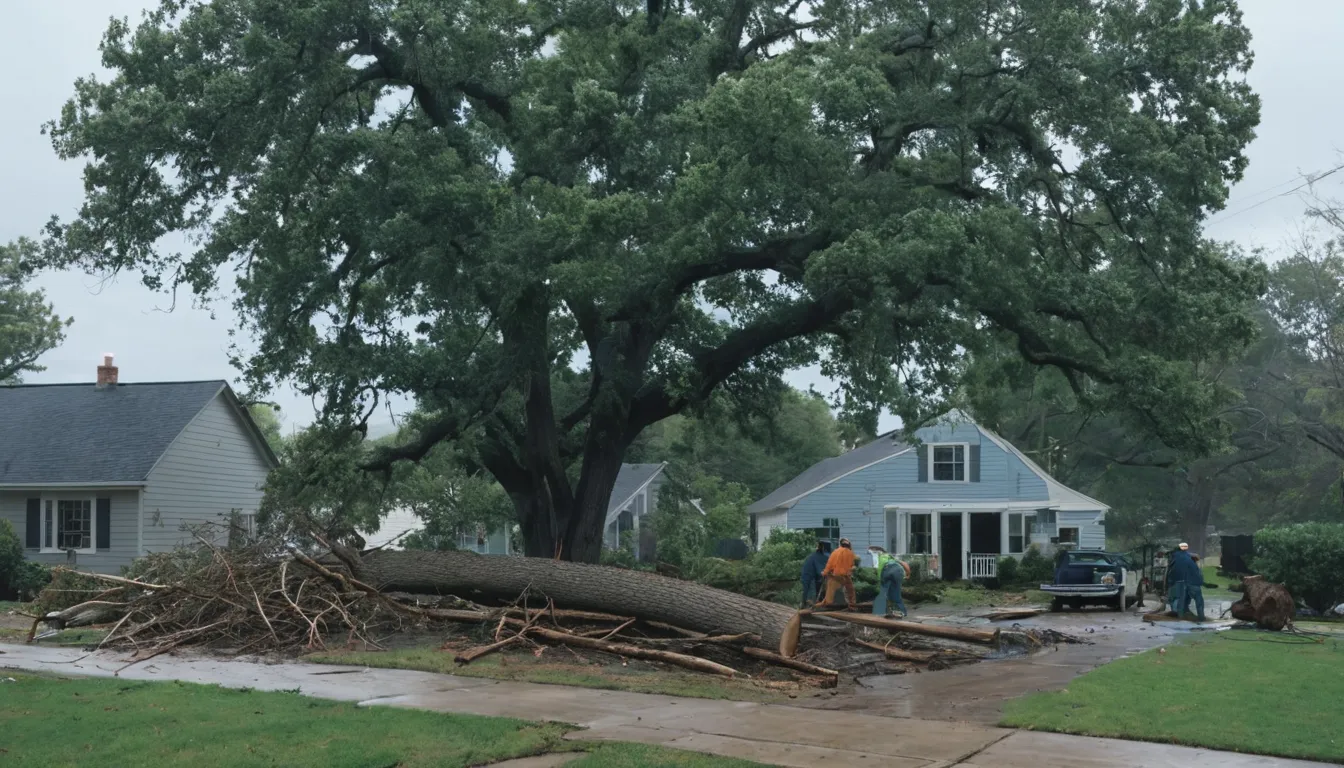
Need emergency tree removal in Vestavia Hills?
Tell us about your tree and request an estimate. A local provider in our network will reach out to plan the next step with you.
No obligationTree removal referrals in Vestavia Hills and nearby
Request an estimate today
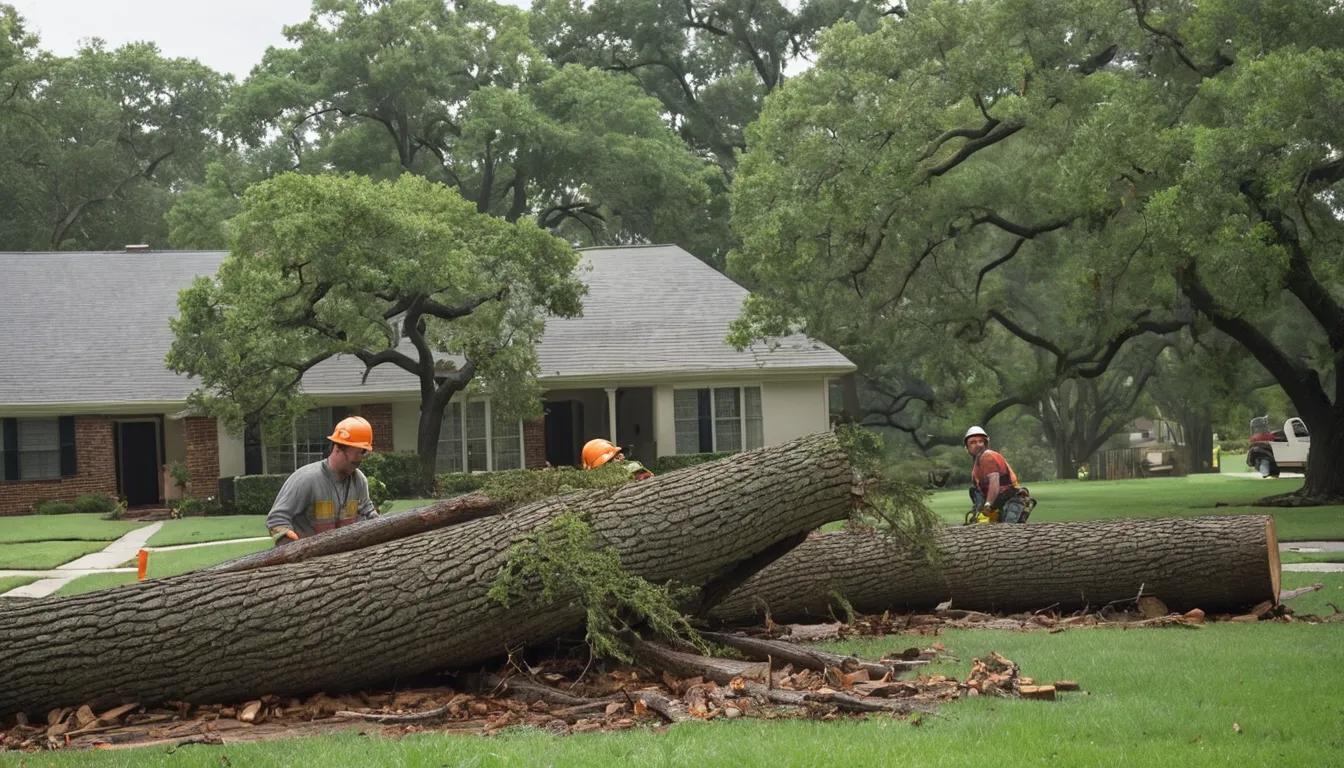
A tree on your roof, fence or driveway is stressful. It can also get expensive fast if you rush. Gamerandomizer Tree Service is a referral service. We connect homeowners in the Vestavia Hills area with independent local providers who handle emergency tree removal, storm tree clearance and cleanup.
This page explains what counts as urgent, what you can safely do yourself and what needs pro equipment. It also covers the price drivers behind a quote, how insurance claims often work and how to lower the odds of a repeat. Request an estimate, and a local provider can review your situation. Request a callback to check provider availability. Providers set their own schedules, so timing varies. You stay in control of the decision.
Keep people and pets away from the tree. Stay out from under any leaning trunk or hanging limb. Wood that is bent or pinned can snap or roll with no warning.
Take photos from a safe distance. They help when you talk to a provider or your insurer.
If a branch or trunk touches a power line, stay far back. Do not touch the tree, a wet fence or the ground around it. Report the line to your utility. Contact emergency services if anyone is hurt or you see sparks or smoke.
Some jobs cannot wait for a calm week. Others can. Knowing the difference helps you avoid paying a rush premium you do not need.
These usually count as urgent:
A dead tree standing well away from buildings is a different case. It can usually be planned and priced with several quotes.
You can help in small ways. Move cars out of range. Clear loose twigs and light debris from paths, well away from the tree. Note which rooms are affected and what is damaged.
Leave the cutting to a pro. A tree that has fallen is often under tension. One wrong cut can make it shift or spring back. Climbing, roof work and anything near a line also need professional gear and training.
Heavy downpours soften soil. A tree that looks steady may sit on a weak root plate. Debris on a wet roof is slick, too. This is one more reason not to climb up to "just take a look."
A provider usually starts by looking at the tree, the load on it and what it touches. Then they plan the order of cuts. Sections are lowered with ropes, or lifted off with a crane when a roof or tight yard demands it.
After the wood is off, the crew clears the area. Hauling, chipping and raking are sometimes part of the price and sometimes extra. Ask before work begins.
Emergency jobs cost more for good reasons. These are the main drivers:
Plan before the storm if you can. A planned job almost always costs less than a rushed one.
Even in a rush, ask for a written quote. It should name the work, the cleanup and the total. If two providers differ a lot, ask why. The cheaper number may leave out hauling or stump work.
Be wary of anyone who wants full cash payment up front or will not put the scope on paper.
Most emergency crews cut the tree and leave a stump. Stump grinding is often a separate line item. If the stump is not in the way, you can wait and schedule it later at a calmer pace. Fresh stumps from a storm break are often easier to plan around once the yard is clear.
Some policies may cover sudden damage from a fallen tree, often when it hits a structure. Rules differ a lot, so check your policy and ask your insurer. Providers can often help document damage for a claim with photos and a written description of the work.
Keep every receipt. Do not throw out damaged items until your insurer says it is fine.
When a storm hits a wide area, many homeowners need help at once. Providers triage by danger. A tree on a roof usually goes before a tree in a back corner.
Request a callback to check provider availability. Many providers can respond quickly, but timing depends on their schedule and the weather. If your roof is open, a provider may place a temporary tarp while you wait for the larger job.
Once the work is done, look at the trees that are left. Ask the provider about:
Pruning a weak tree before storm season costs far less than clearing one that fell. Healthy, balanced trees handle summer storms better.
A clear answer to each one tells you a lot.
Providers cut and lower a downed tree in sections, working safely around your home and yard.
Clear trunks and limbs blocking driveways, sidewalks and access routes so you can move around again.
Careful cutting to lift weight off roofs, fences and sheds without adding more damage.
Many providers offer hauling, chipping and raking, plus optional stump grinding. Confirm it on paper.
These are typical U.S. ranges and they vary by job, region and how busy providers are after a storm. Compare written quotes before you agree to anything.
| Item | Typical range | Notes |
|---|---|---|
| Small downed tree, open ground | $300 – $900 | Easy access, light cleanup |
| Medium tree, driveway or fence | $800 – $2,500 | More cuts and hauling |
| Large tree on a house or roof | $2,000 – $10,000 | Crane use and risk raise the price |
| Crane or lift add-on | $1,000 – $3,000 | Common in tight yards |
| Storm rush or after-hours premium | $200 – $1,000 | Varies by provider and demand |
| Stump grinding | $100 – $500 | Per stump, often quoted separately |
Move everyone away from the tree and keep clear of lines. Take photos from a safe distance.
Tell us what fell, where it landed and what it touches.
Check scope, cleanup, hauling and total price before you choose.
The provider clears the tree and you plan any follow-up.
Learn the price drivers first, so a rushed job does not become a rushed bill.
Written estimates make it easy to see what each provider includes.
Independent providers in our network know local trees, soil and storm patterns.
Plain tips on what you can do and what needs pros.
Tell us about your tree and request an estimate. A local provider in our network will reach out to plan the next step with you.
No obligationTypical U.S. prices run from a few hundred dollars for a small tree to several thousand for a big one on a roof. Size, access, cranes and rush timing all change the quote.
Light debris well away from the tree is fine for many homeowners. Cutting the trunk is different. Fallen wood can be under tension, and chainsaws are risky on wet ground. Leave it to a pro if it is large or on a structure.
Some policies may cover sudden damage, especially when a tree hits your house. Coverage differs a lot, so check your policy and ask your insurer. Providers can often help document damage for a claim with photos and a written scope of work.
Tell us about your tree and request an estimate. A local provider in our network will reach out to plan the next step with you.
No obligation