Need tree removal in Vestavia Hills?
Tell us about your tree and request an estimate. A local provider in our network will reach out to plan the next step with you.
No obligationTree removal referrals in Vestavia Hills and nearby
Request an estimate and compare quotes
Taking down a tree is rarely cheap, and the final bill depends on more than the tree itself. Height, location, access and cleanup all change the quote. Gamerandomizer Tree Service is a referral service. We connect homeowners in Vestavia Hills and the Vestavia Hills area with independent providers who do the work.
This page shows where a careful homeowner can help and where pro equipment is a must. It also explains the main price drivers, what to ask a provider, and how to care for the yard afterward. Request an estimate, compare written quotes, and choose the provider that fits your job and your budget.
A tree job feels simple until the quote arrives. Then the details matter. Size, access, nearby structures and cleanup all shape the price. A little planning helps you spot a fair quote and avoid paying for work you do not need.
Most removals start with a clear problem. A tree may be dead, leaning, or split after a hard storm. Roots can lift a driveway or press on a slab. Branches can hang over a roof. Sometimes the tree is healthy but simply in the wrong spot.
Look for bare limbs in summer, mushrooms at the base, deep cracks, or a new lean. Peeling bark and hollow trunks are also warning signs. If you are unsure, ask a provider to look before you decide.
You can save money by handling the small, low-risk parts. Be honest about your limits, though. A tree can weigh thousands of pounds, and it does not fall where you hope just because you planned it that way.
Clear the driveway and yard before the visit. Move cars, patio furniture and planters. Trim small shrubs near the work area. Take photos of the tree from several sides. Some homeowners also stack the smaller brush once the provider is done.
Leave climbing, chainsaw work above shoulder height, and any tree near a roof or power line to a trained provider. This is where a tree falling service earns its fee. Ropes, rigging, insurance and experience are hard to replace with a rented saw.
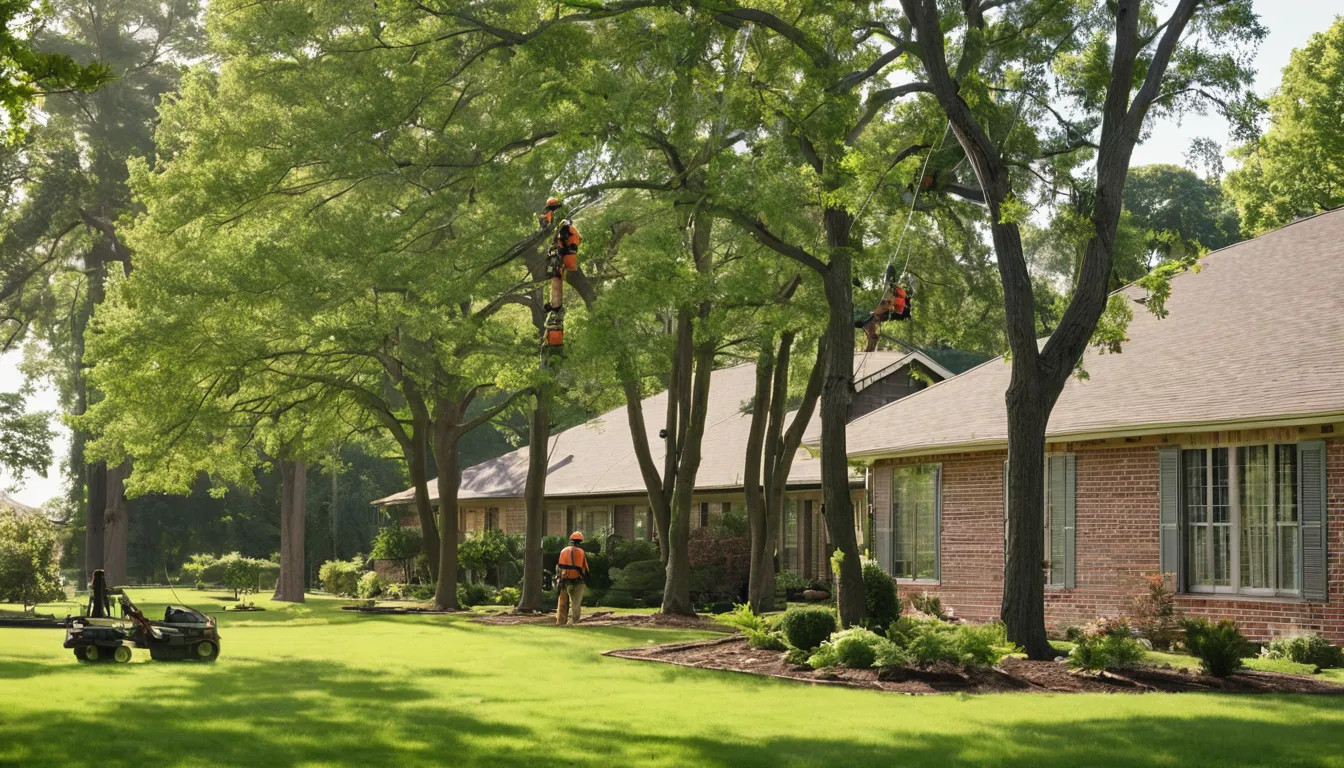
The provider looks at the tree, the ground and the space around it. Then they pick a method. In an open yard, the tree may be cut in sections from the ground or felled in one piece. Near a house, crews often climb and lower pieces by rope.
After the wood is down, the crew cuts it into smaller pieces and hauls it away, unless you ask to keep firewood. Raking and blowing off the area is common. Always confirm what cleanup is in the written quote.
Know the price drivers. Height and trunk width come first. Next is access. A tree behind a fence or over a pool takes longer than one beside an open lawn. Dead or rotted wood can be riskier to cut, which may raise the quote.
Other drivers include hauling, wood disposal, and whether a crane is needed. Storm season can also tighten schedules in the region, so planning ahead may give you more choices.
Many quotes cover only the tree. Stump grinding is often priced on its own, based on stump width and root spread. Ask for both options on one quote. Doing it in a single visit can be simpler, and you can compare the totals fairly.
Some cities and neighborhoods protect certain trees or require a permit. Homeowner associations may have their own rules. Check before the work starts, especially for large or older trees. A provider in your area can often tell you what is usual locally.
Compare written quotes from at least two or three providers. Make sure each one covers the same scope. Ask about insurance, how they protect your roof and lawn, and who handles cleanup. A very short quote with no detail is a reason to ask more questions.
Move vehicles off the driveway and clear a path to the tree. Tell neighbors if work will be loud. Keep kids and pets indoors. If you have a slab-on-grade home, mention any known sewer or irrigation lines near the root zone.
Request a callback to check provider availability if your schedule is tight.
Plan before the storm, not after it. Once the tree is gone, the yard needs a little care. Fill and level the stump hole if you skip grinding. Reseed bare ground before the heavy summer rains wash soil away.
Walk your yard each spring and again before storm season. Look for dead limbs and branches that touch the roof. Light pruning by a pro can cost far less than a full removal later. In hot, humid weather, keep young trees watered during dry spells.
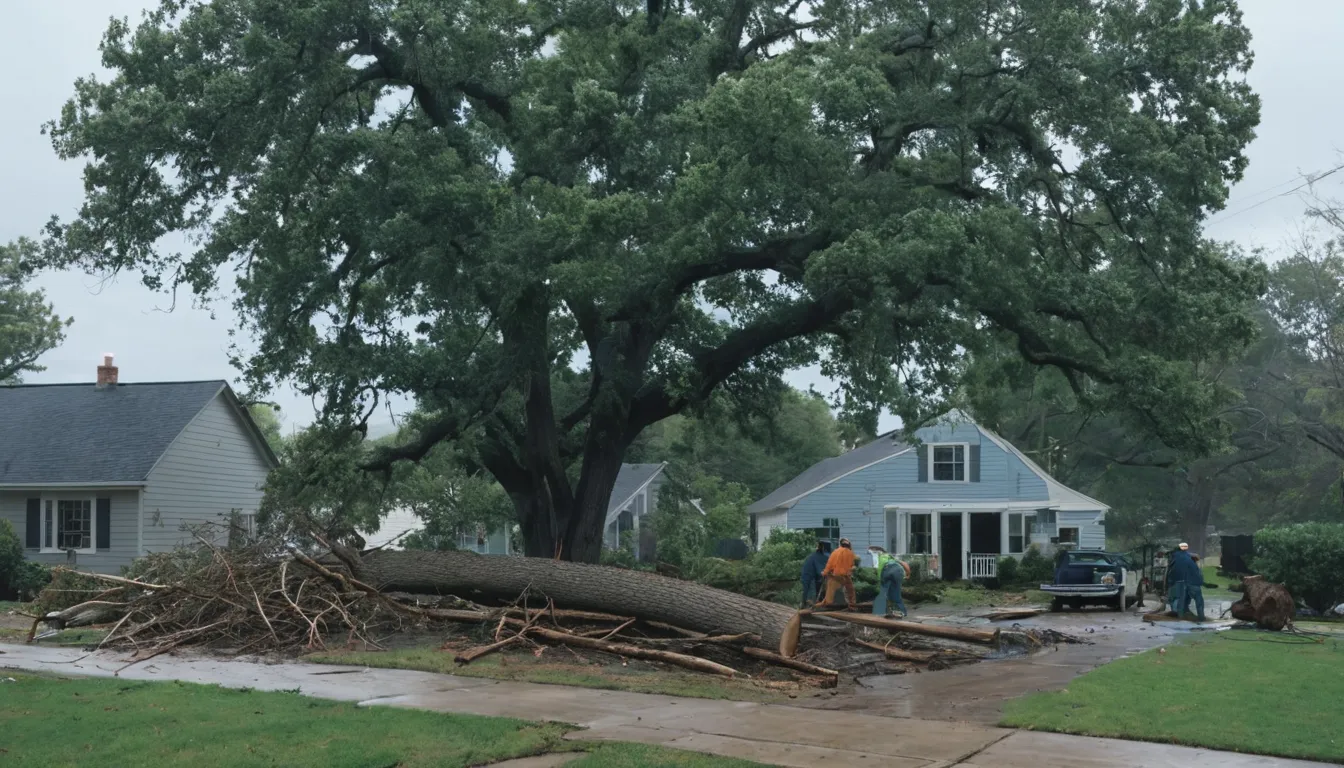
If a storm drops a tree on your home or blocks a road, safety comes first. Stay away from power lines and call your utility. Storm tree clearance and emergency tree removal have their own page with faster steps.
Tell us about your tree, the access and your timing. A local provider can review the details and send a written quote you can compare at your own pace.
Providers cut the tree down in sections or in one piece, depending on space, access and nearby structures.
Ask whether limbs, logs and brush leave with the crew or stay on site as firewood.
Many providers offer grinding as an add-on, often priced separately from the tree itself.
Careful providers lay mats and use ropes to protect lawns, fences and roofs from falling wood.
These are typical U.S. ranges, and real quotes vary by tree size, access, condition and cleanup. Use them to spot what looks unusual, then compare written quotes from more than one provider.
| Item | Typical range | Notes |
|---|---|---|
| Small tree, under 30 ft | $150 – $500 | Easy access keeps the price lower |
| Medium tree, 30–60 ft | $400 – $1,200 | Price rises with trunk width and limb spread |
| Large tree, over 60 ft | $1,000 – $3,000 | Often needs climbing or rigging |
| Stump grinding | $100 – $500 | Depends on stump width and roots |
| Hauling and debris disposal | $75 – $350 | Sometimes included, so confirm in writing |
| Crane or tight access | $1,500 – $4,000+ | Used near homes, pools or power lines |
Describe the tree, its location and any access issues, and add a few photos if you can.
A local provider looks at the tree, the space around it and the safest way to proceed.
Check scope, cleanup, stump grinding and extras so each quote can be compared fairly.
Pick a provider and date, then prepare the yard so work can go smoothly.
Request an estimate and receive written quotes you can place side by side before choosing anyone.
We explain what changes a quote, so you can ask sharper questions.
Independent providers in your area know local trees, soil and weather.
Take your time, review the details, and decide when you are ready.
Tell us about your tree and request an estimate. A local provider in our network will reach out to plan the next step with you.
No obligationTypical U.S. prices run from about $150 for a small tree to $3,000 or more for a large one. Access, condition, hauling and stump grinding all change the total, so get a written quote before work begins.
Small trees on open ground may be manageable, but climbing, big limbs and trees near roofs or lines are risky. Many homeowners prep the area and leave cutting to a provider.
It depends on where you live. Some cities and homeowner associations require permits for larger or protected trees. Check local rules first, and ask your provider what is common in your area before work starts.
Tell us about your tree and request an estimate. A local provider in our network will reach out to plan the next step with you.
No obligation